 Skip to content
What is Swedish Massage?
Swedish Massage is the most well-known and widely practiced form of massage therapy in the Western world. While the other styles we have discussed—such as Nuru or Erotic massage—focus primarily on sexual arousal and sensual intimacy, the Swedish massage is rooted in therapeutic anatomy and physiology. Its primary objective is to promote deep relaxation, improve blood circulation, and alleviate muscle tension throughout the entire body.
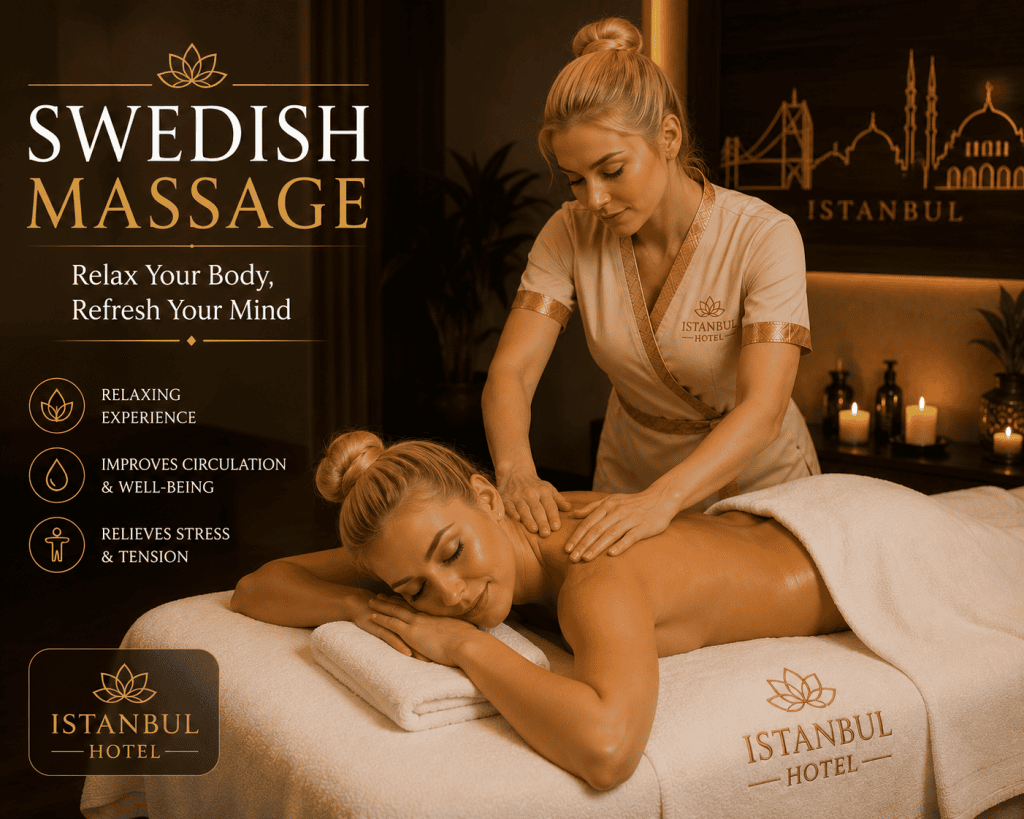
The philosophy of Swedish massage is based on the belief that by manipulating the soft tissues of the body, one can influence the circulatory and lymphatic systems. By applying specific pressures and movements in the direction of the heart, the massage helps to flush out metabolic waste (toxins) from the muscles and deliver a fresh supply of oxygenated blood to the tissues. This process not only repairs damaged muscle fibers but also induces a state of profound mental calm.
Unlike deeper tissue massages that can sometimes be painful, the Swedish massage is designed to be gentle, rhythmic, and soothing. It serves as the foundational “baseline” for almost all other massage styles. When performed by a skilled practitioner, it transforms the body from a state of “fight or flight” (stress) to a state of “rest and digest” (recovery). For many, it is the ultimate form of self-care, allowing the mind to detach from the chaos of daily life and the body to rediscover its natural balance.
How to Perform a Swedish Massage?
A professional Swedish massage is a structured process that utilizes five primary strokes. The goal is to work the muscles in a systemic way, ensuring that no part of the body is neglected.
1. The Setup and Preparation
To achieve the therapeutic effects of a Swedish massage, the environment must be optimized for physical and mental release.
The Surface: A professional massage table is essential to provide the correct support for the spine and joints.
The Lubricant: High-quality oils (such as sweet almond or grapeseed oil) are used to reduce friction, allowing the therapist’s hands to glide smoothly over the skin without causing irritation.
The Atmosphere: Warmth is key. A heated table or warm towels help the muscles relax more quickly. Soft lighting and calming music are used to lower the receiver’s heart rate and prepare them for total surrender.
2. The Five Core Techniques
The magic of Swedish massage lies in the combination of these five distinct movements:
A. Effleurage (Long, Gliding Strokes) This is the signature move of Swedish massage. These are long, sweeping strokes applied with the palms of the hands. Effleurage is used at the beginning and end of the session to warm up the tissues and soothe the nervous system. It helps in moving lymph fluid toward the heart and prepares the muscles for deeper work.
B. Petrissage (Kneading) Once the muscles are warmed, the therapist moves into petrissage. This involves lifting, squeezing, and kneading the muscle tissue, similar to how bread dough is worked. This technique is highly effective for releasing deep-seated tension, breaking down adhesions, and improving muscle elasticity.
C. Friction (Deep Circular Rubbing) Friction involves applying deeper, more concentrated pressure using the thumbs or fingertips in a circular motion. This is used specifically on “trigger points” or knots in the muscle. It creates localized heat and helps to break down scar tissue or chronic tension in areas like the shoulders and lower back.
D. Tapotement (Rhythmic Tapping) Tapotement consists of quick, percussive movements—such as cupping, hacking, or tapping. Unlike the other strokes, this is designed to stimulate the nerves and wake up the muscles. It is often used at the end of a limb massage to invigorate the area and increase blood flow.
E. Vibration (Shaking) Vibration involves a rapid shaking or trembling movement applied to the muscle. This technique is particularly useful for relaxing the nervous system and loosening tight muscles without applying heavy pressure.
3. The Sequence of the Session
A standard session typically follows a logical flow to ensure the body is fully integrated:
The Back and Neck: The session usually begins here, as this is where most people carry their stress.
The Legs: Moving from the feet upward to encourage venous return (blood flow back to the heart).
The Arms and Hands: Focusing on the tension caused by typing and repetitive movements.
The Shoulders and Scalp: Ending with the head and neck to leave the client in a state of complete euphoria.
Where Can I Get a Professional Swedish Massage in Istanbul?
While Swedish massage is therapeutic, when it is performed in a luxury setting, it becomes a sensual journey of wellness. In a city as vibrant and stressful as Istanbul, finding a sanctuary where you can experience a professional, high-end Swedish massage is essential for maintaining your mental and physical health.
Whether you are seeking purely therapeutic relief from muscle pain or a relaxing experience that pampers your senses, the following providers in Istanbul offer world-class expertise in the art of Swedish and sensual massage:
Istanbul Hotel Massage: If you are traveling and prefer the luxury of a professional therapist coming to your suite, this is the premier choice. They combine the technical precision of Swedish massage with a touch of luxury, ensuring you feel completely rejuvenated without leaving your room. Book your session here: Istanbul Hotel Massage
Taksim Massage Services: Located in the heart of the city’s most energetic district, this provider offers a wide array of treatments. From the classic Swedish technique to more adventurous sensual options, they provide a discreet and professional environment for those seeking total body relaxation. Book your session here: Taksim Massage Services

