 Skip to content
The Comprehensive Guide to Massage Therapy: Exploring Techniques and Holistic Benefits
Massage therapy is the professional manipulation of the body’s soft tissues—comprising muscles, connective tissue, tendons, and ligaments—to enhance a person’s health and well-being. At its core, massage is a systematic application of pressure, movement, and touch designed to alleviate tension, reduce pain, and promote a state of deep physical and mental relaxation.
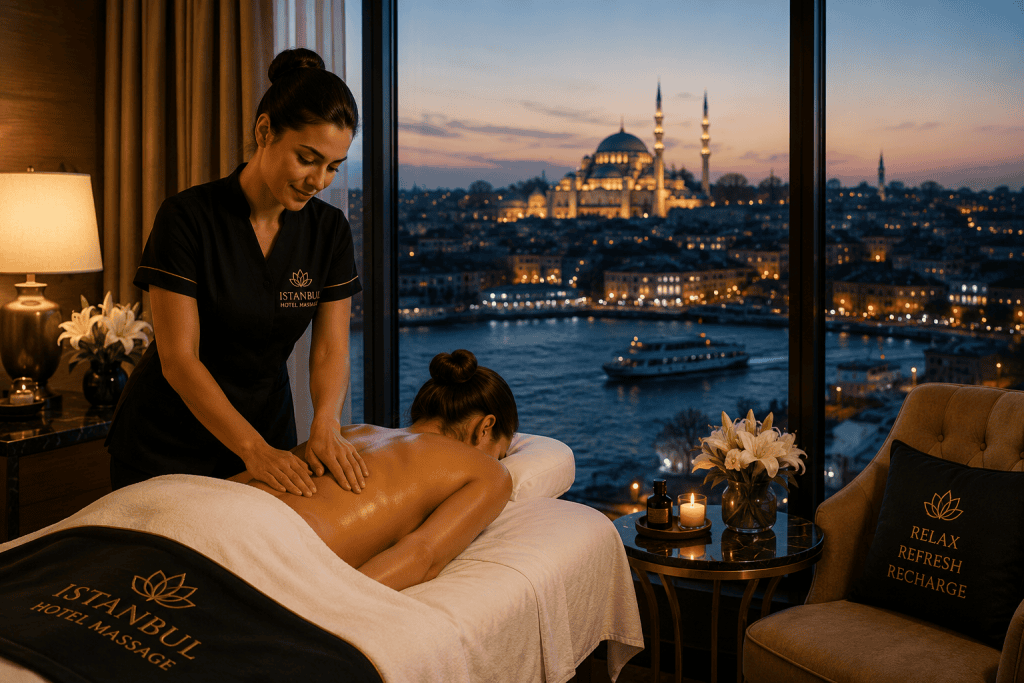
When asking how massage is performed, it is important to understand that the process varies significantly depending on the modality. Generally, a session begins with the client positioning themselves on a massage table or a floor mat. The practitioner then uses a combination of techniques—such as gliding, kneading, compression, and friction—often assisted by oils or gels to minimize skin irritation and improve the flow of movement. The goal is to influence the circulatory, lymphatic, and nervous systems to restore the body to its natural state of balance.
Comprehensive Breakdown of Massage Types and Techniques
Massage is not a one-size-fits-all practice. Depending on the desired outcome—whether it be clinical recovery, spiritual awakening, or sensory pleasure—different techniques are applied. Below is a detailed explanation of the various types of massage and the specific methods used to perform them.
1. Body Massage
Body Massage serves as an all-encompassing term for treatments that target the entire physique. Its primary objective is general wellness and the reduction of systemic stress.
How it is performed: The therapist employs broad, rhythmic strokes across the major muscle groups of the back, legs, and arms. It typically involves the use of a neutral carrier oil to allow the hands to glide smoothly over the skin, ensuring a relaxing and seamless experience.
Widely recognized as the foundation of Western massage, Swedish Massage is designed to increase blood oxygen levels and flush out toxins from the muscles.
How it is performed: This technique utilizes five specific strokes: effleurage (long, gliding strokes), petrissage (kneading the muscle), friction (deep circular rubbing), tapotement (rhythmic tapping), and vibration. It is performed on a table with oil, focusing on the superficial layers of the muscle.
3. Thai Massage
Thai Massage is a holistic therapy that blends acupressure, Indian Ayurvedic principles, and assisted yoga postures. It focuses on the “Sen” (energy lines) of the body.
How it is performed: Unlike most styles, it is performed on a firm mat on the floor with the client fully clothed. The therapist uses their hands, elbows, knees, and feet to pull, push, and stretch the client’s body into various yoga-like positions, promoting flexibility and energy flow.
A Couple Massage is a shared therapeutic experience where two individuals receive treatments simultaneously in the same environment.
How it is performed: Two therapists work in tandem on two adjacent tables. While the technique used can be any style (usually Swedish or Classic), the focus is on synchronization and the shared emotional experience of relaxation.
5. Shiatsu Massage
Originating from Japan, Shiatsu (meaning “finger pressure”) treats the body as an interconnected system of energy.
How it is performed: The therapist applies rhythmic, firm pressure to specific acupuncture points using the thumbs, palms, and fingers. This is done to clear blockages in the Qi (life force), balancing the body’s internal organs and nervous system.
Hot Stone Massage integrates the healing power of heat with traditional massage movements to penetrate deeper into the muscle tissue.
How it is performed: Smooth, heated basalt stones are placed on key points of the body, such as the spine and palms. The therapist also uses the heated stones as tools, gliding them across the skin to melt away chronic tension and induce deep relaxation.
7. Classic Massage
Classic Massage is a standardized approach that combines the most effective elements of traditional anatomy and relaxation techniques.
How it is performed: It follows a structured sequence, beginning with light warming strokes and progressing to deeper kneading. It focuses on the overall relief of muscle stiffness and is often the starting point for those new to massage therapy.
8. Japanese Massage
Japanese Massage encompasses a variety of styles, including Anma, focusing on the harmony between the mind, body, and spirit.
How it is performed: It involves a mixture of pressing, kneading, and stretching. Many Japanese techniques emphasize the lymphatic system, using specific movements to encourage the drainage of fluids and the detoxification of the body.
9. Chinese Massage (Tui Na)
Chinese Massage, or Tui Na, is a therapeutic pillar of Traditional Chinese Medicine used to treat specific medical conditions and injuries.
How it is performed: It is more vigorous than Western styles. The therapist uses rolling, grasping, and pushing techniques along the meridians of the body to move stagnant energy and alleviate pain in the joints and muscles.
10. Erotic Massage
Erotic Massage is a sensory-focused practice where the primary objective is the exploration of sexual pleasure and arousal.
How it is performed: It begins with relaxing bodywork but gradually shifts focus toward erogenous zones. The practitioner uses slow, intentional, and intimate touch to heighten the client’s sexual awareness and physical pleasure.
11. Nuru Massage
Nuru Massage is a specialized Japanese art that emphasizes extreme slipperiness and full-body contact.
How it is performed: A unique, slippery gel made from Nuru seaweed is applied generously to both the therapist and the client. The therapist uses their entire body to slide over the client’s body, creating a high-friction, highly sensory, and intimate experience.
12. Tantra Massage
Tantra Massage is a spiritual practice derived from ancient Indian traditions, focusing on the movement of sexual energy throughout the whole body.
How it is performed: This technique involves conscious breathing and very slow, light touch. Rather than focusing solely on the genitals, the goal is to circulate energy from the lower chakras to the crown of the head, achieving a meditative state of bliss.
A Happy End Massage is a session that combines traditional relaxation techniques with a sexual conclusion.
How it is performed: The majority of the session is conducted as a standard body massage. However, the session concludes with manual stimulation of the genitals to lead the client to a sexual climax.
The Holistic Benefits of Massage Therapy
Integrating massage therapy into a regular health regimen provides a wide array of physiological and psychological benefits. By targeting the soft tissues, massage influences the entire biological system.
Physical Health and Recovery
1. Muscle Tension and Pain Relief:
The most immediate benefit of massage is the reduction of muscle hypertrophy and the release of “knots” (myofascial trigger points). By manipulating the muscle fibers, massage increases blood flow to the area, which accelerates the healing of strained muscles and reduces chronic pain.
2. Circulatory and Lymphatic Enhancement:
Massage stimulates the circulatory system, ensuring that oxygen-rich blood reaches the extremities and vital organs more efficiently. Simultaneously, it supports the lymphatic system, which is responsible for removing cellular waste and toxins from the body, thereby strengthening the immune response.
3. Improved Flexibility and Mobility:
Through the combination of stretching (as seen in Thai massage) and tissue manipulation, massage increases the range of motion in joints. This is essential for preventing injury and maintaining mobility as the body ages.
Mental and Emotional Wellness
4. Cortisol Reduction and Stress Management:
Massage therapy is scientifically linked to a decrease in cortisol, the primary stress hormone. Simultaneously, it triggers the release of serotonin and dopamine, the “feel-good” neurotransmitters. This chemical shift helps alleviate symptoms of anxiety and clinical depression.
5. Enhanced Sleep Quality:
By calming the sympathetic nervous system (the “fight or flight” response) and activating the parasympathetic nervous system, massage prepares the body for deep, restorative sleep. This is particularly effective for those suffering from chronic insomnia.
6. Mind-Body Connection and Emotional Release:
Physical tension is often a manifestation of emotional stress. As a therapist releases physical blockages in the body, clients frequently experience an emotional release, allowing them to process suppressed stress or trauma in a safe environment. This fosters a deeper connection between the mind and the physical vessel, leading to greater mental clarity.
Conclusion
Whether the objective is the medical precision of Chinese Tui Na, the deep relaxation of a Swedish Massage, or the intimate exploration of Nuru and Tantra, massage therapy remains one of the most effective ways to maintain health. By understanding what massage is and how it is performed, individuals can choose the modality that best aligns with their physical needs and emotional desires, ensuring a balanced and rejuvenated life.

